









How to choose the right music for your restaurant
Choosing music for a restaurant is a bit like building a menu: it depends on what you serve, who you serve it to, and when. Here is a simple method for finding the right style, tempo and volume, without spending hours on it.
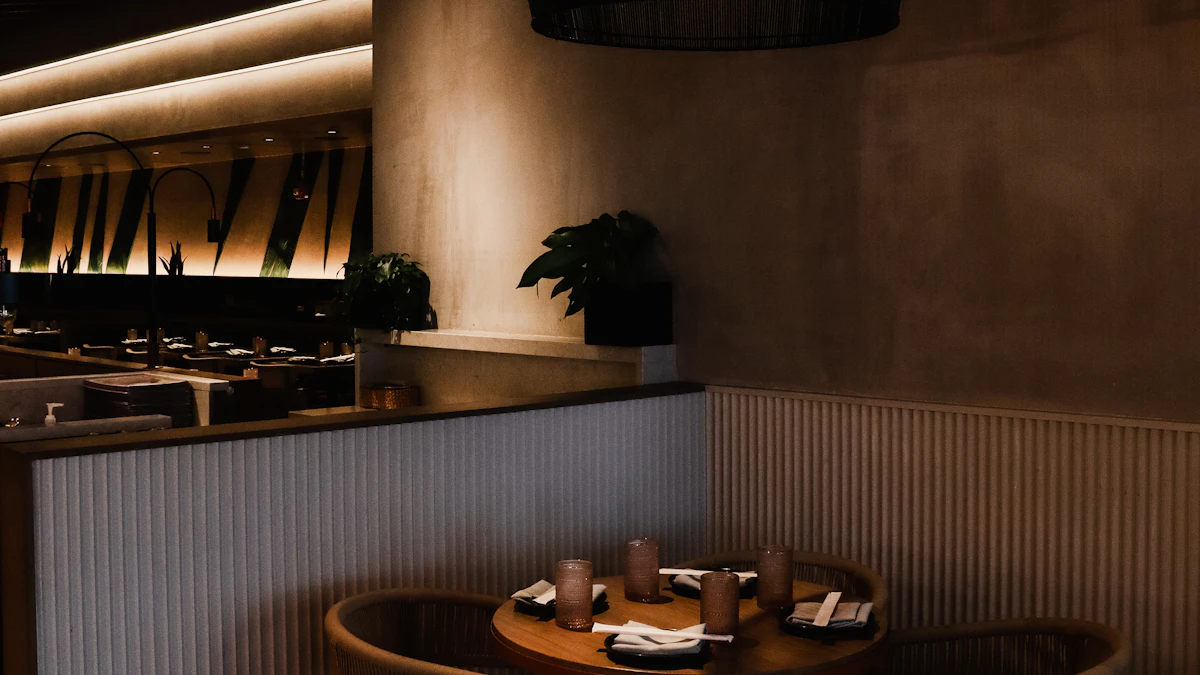
Start from your venue, not your taste
The first mistake is programming the music you personally like. The right question is not “what do I listen to?” but “what fits what I serve, my decor and my customers?”. The music should extend your restaurant, not sit on top of it. A neighborhood bistro, a fine-dining table and a Latin canteen do not call for the same soundtrack.
Ask yourself three simple questions: what is my positioning (casual, upscale, relaxed)? Who is my clientele (age, habits)? What mood do I want to set (conviviality, calm, energy)? Your answers already sketch out a style.
Choosing the style
Some starting points that work, to adapt to your own venue:
| Restaurant type | Musical families that work |
|---|---|
| Fine dining | Mellow jazz, light classical, instrumental |
| Brasserie, bistro | Timeless pop, soul, easy-listening standards |
| Italian, Mediterranean | Bossa nova, gypsy jazz, understated Italian pop |
| Asian, izakaya | Downtempo, soft electronic, muted tones |
| Latin, festive | Bossa nova, soft salsa, cumbia in the evening |
The idea is not to lean into the cliche, but to stay consistent. A slightly unexpected selection that stays true to your spirit beats an obvious playlist with no character.
Setting the tempo by time of day
The same restaurant does not need the same music at lunch and in the evening.
- Lunch: faster service, tables turning over. A slightly livelier tempo supports the pace and avoids dead air.
- Afternoon: a quieter lull, calmer and more discreet.
- Evening: guests settle in and take their time. A slower tempo invites them to stay, order dessert, a coffee, one more drink.
Letting the tempo evolve through the day is one of the most cost-effective settings, and one of the easiest to automate.
Volume, often poorly set
Too loud, your customers raise their voices and tire themselves out. Too quiet, the room sounds empty and every conversation carries. The right level fills the silence without covering conversation at a table. It should also flex with how busy you are: turn it up slightly at peak times, down when the room empties out. We cover this setting in more detail in our guide on restaurant volume.
Keeping the atmosphere alive
A frozen playlist eventually grows tiring, starting with your own staff, who hear it eight hours a day. Refresh it regularly, drop what does not fit, and let the atmosphere improve with use. That is exactly what professional curation gives you: playlists that are kept up to date and ready to play, without you having to hunt for tracks one by one.
And the legal side
One point not to forget: the source. A personal streaming account is for private use only and is off-limits in a business. To play music in a restaurant, you need a source licensed for commercial use, and you also need to account for the public performance royalties owed whenever you play music in public. You keep complete freedom over the style, just built on a legal foundation.
That is exactly what Horra brings together: curation by venue type, time-based scheduling to evolve the tempo through the day, and human support to help you stay compliant, at clear, public pricing.
Frequently asked questions
What style of music should a restaurant play?
It depends on your positioning and your customers. A fine-dining restaurant often leans toward mellow jazz or instrumental, a brasserie toward timeless pop, a Latin venue toward bossa nova or soft salsa. The rule of thumb: the music should extend your food and decor, not contradict them.
What tempo should you choose depending on the time of day?
A slightly faster tempo keeps the lunch service moving, since it tends to be shorter and busier. In the evening, a slower tempo invites guests to linger and order more. Letting the tempo evolve through the day is one of the most effective settings you can use.
Should you change the playlist regularly?
Yes, to avoid fatiguing your regulars and your staff, who hear it all day long. A regularly refreshed playlist keeps the atmosphere alive. That is also what professional curation gives you: playlists updated for you, without extra work on your end.
Can I use my personal Spotify account to choose my restaurant's music?
No. A personal streaming account is for private use only and is not permitted in a business. To play music in a restaurant, you need a source licensed for commercial use. You still keep full freedom over the style, just from a legal source.
An atmosphere that works for you
Curated playlists, audio messages and human support, all from a single app.
Try it today